Bedding · Bed-buying guide
Vispring Devonshire: What to Consider When Choosing a Pocket-Spring Bed
A pocket-spring bed is a small landscape of moving parts: individual springs, layers of upholstery and the sleeper’s own changing needs all shape how it feels. The Vispring Devonshire is one model to investigate, but a familiar name is only the beginning. Before deciding, look closely at current specifications, comfort options, dimensions, delivery arrangements and care requirements—and consider how those details fit the way you sleep.
Start with the bed beneath the name
Mattress names can suggest character, but they do not tell the whole story. A bed’s feel emerges from its construction: the spring unit, the layers above and below it, the cover, the foundation underneath, and the way those elements work together. Two pocket-spring mattresses may share a broad category yet differ substantially in firmness, pressure relief, motion response and temperature feel.
That is why a useful first step when researching the Vispring Devonshire is to find its current, model-specific specification. Confirm which sizes are offered, what comfort choices can be ordered, how the mattress is built and whether the information applies to the exact version available where you live. Product ranges can change; details shown in an older catalogue or retailer listing may not describe the current configuration.
Approach the decision as a comparison of evidence and personal fit, not as a contest between prestigious names. A well-made bed may still feel wrong to a particular sleeper. Conversely, a construction that sounds unfamiliar may suit that person’s needs very well. The goal is not to select the most impressive description. It is to understand what is being offered and how it is likely to work in your bedroom, with your body and habits.
How pocket springs work
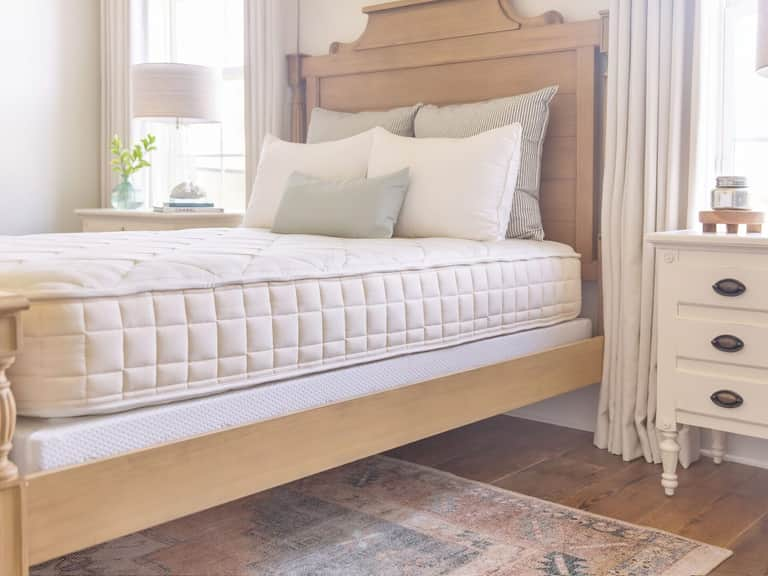
In a pocket-spring mattress, coils are housed individually in fabric pockets. Because the springs are not all joined into one tightly connected unit, they can respond more independently to pressure. When one area is compressed, neighboring springs may move less than they would in some linked-coil designs. This can help a mattress contour to different parts of the body and may reduce the extent to which movement on one side travels across the surface.
The word “may” matters. A spring unit does not act alone. Upholstery layers, spring design, mattress tension, the foundation and the sleeper’s weight all influence the result. Nor does the label “pocket spring” guarantee a particular level of motion isolation or pressure relief. Those qualities should be assessed in the full mattress, ideally through a properly conducted in-store test or a clearly described home trial, when available.
Ask what the manufacturer means by any spring-count or spring-type figure. Counts may refer to different components or mattress sizes, so they should not be compared without context. A higher number by itself does not establish that one bed will be more supportive, more durable or more comfortable. The practical questions are how the finished bed feels, what the construction is designed to do, and whether the maker explains the specification clearly.
Also consider the bed as a system. A mattress needs a suitable, stable base that meets the maker’s requirements. An unsuitable foundation can change how the mattress performs and may affect warranty coverage. Before buying, verify whether the Devonshire is intended for a particular base type and whether any slat spacing, support or frame conditions apply.
Materials: read beyond broad labels
Natural, wool, cotton, latex and other material terms can help describe a mattress, but each needs context. A label may refer to one layer rather than the entire bed; a natural fibre may be blended or used in a particular proportion. For the Devonshire, check the current materials list and ask where each material appears in the construction. If a detail matters to you—such as a particular fibre, an animal-derived material, a chemical sensitivity or a sourcing standard—seek a precise answer rather than relying on a general marketing phrase.
Upholstery materials can affect more than a mattress’s story. Their thickness, density and arrangement contribute to cushioning, surface temperature, resilience and the way the bed settles over time. A soft surface layer can change the initial impression even when the support system beneath it feels comparatively firm. Equally, a responsive spring unit may be experienced differently depending on the upholstery above it.
Consider what “natural” or “organic” means in the specific context of a claim. Look for the name of the standard, the scope of the certification and the exact product or component covered. Certifications are not interchangeable, and a certified material does not automatically mean every part of a finished mattress is certified in the same way. If environmental or health-related claims inform your decision, check documentation from the certifying organization and the manufacturer.
Material preferences are personal, too. Someone may seek a particular fibre for its feel or breathability, while another may focus on avoiding a material to which they are sensitive. The sensible process is to identify the requirement, confirm the exact composition and then assess comfort. A product description can narrow the field, but it cannot substitute for checking a complete specification.
Firmness is a sensation, not a universal scale
Firmness language is useful only when treated as a starting point. Labels such as soft, medium or firm are not perfectly standardized across manufacturers. A “medium” in one range can feel quite different from a “medium” in another, and even the same mattress may feel different to two people because their bodies, preferred sleeping positions and pressure sensitivities differ.
When considering the Devonshire, ask which comfort options are currently available and whether they can be selected when ordering. Do not assume that a model comes in a particular firmness or that a retailer’s description applies to every size or configuration. If options exist, find out how the manufacturer defines them and whether a change in comfort affects delivery timing, exchange terms or cost.
Think about the shape of support you need rather than pursuing firmness for its own sake. Side sleepers often pay close attention to pressure at the shoulders and hips; back sleepers may want a surface that feels supportive without producing uncomfortable pressure; stomach sleepers may prefer to avoid excessive sinking around the midsection. These are broad tendencies, not prescriptions. Body proportions, health conditions and personal comfort can change the picture.
There is no reliable shortcut that turns a diagnosis or a sleeping position into one universally correct mattress firmness. If you have persistent pain, numbness or another health concern, discuss it with a qualified clinician rather than expecting a mattress purchase to provide treatment. A bed can influence comfort and rest, but it is not a medical device simply because it is described as supportive.
Test the mattress with attention
If you can try a Devonshire in person, give the test enough time to be informative. Wear comfortable clothing, lie in your usual sleeping position and allow your body to settle. Notice whether your shoulders and hips feel pressured, whether you can change position without effort, and whether the surface feels supportive across the areas that matter to you. A brief sit on the edge or a quick press of the hand can reveal little about a full night’s comfort.
When sharing a bed, test it together if possible. Partners can differ in weight, sleeping position, temperature preference and sensitivity to movement. Pay attention to whether one person’s movement is noticeable to the other, but remember that a short showroom test cannot reproduce every condition at home. Ask about split comfort options only if they are actually offered for the model and size you are considering.
Ask about trial and exchange policies before purchasing, not after delivery. Clarify the trial period’s start date, minimum use requirements, fees, collection arrangements, hygiene conditions and whether exchanges are permitted for the specific configuration. A return policy is only useful when its terms are understood and practical for your household.
If there is no trial, or a showroom visit is not possible, seek clear answers about the comfort description and available remedies. Keep a record of the exact model, size, comfort selection and terms quoted. This helps avoid confusion when multiple versions or similarly named beds appear in listings.
Sleeping position, body size and shared use
The same mattress can respond differently under different loads. A lighter sleeper may experience a surface as firmer because they compress its comfort layers less, while a heavier sleeper may engage more deeply with the upholstery and spring system. These are general mechanical effects, not predictions about an individual’s comfort. Testing and clear guidance from the retailer are more useful than assumptions based on a single firmness label.
For couples, consider the full width of the mattress as well as its motion response. Enough personal space can reduce disturbance from a partner’s movements and make it easier to maintain separate sleep positions. Check whether the dimensions available suit both sleepers and the room. If one person is especially sensitive to motion or prefers a different feel, ask whether the Devonshire line offers a practical configuration for two different preferences; verify the answer for the precise size rather than assuming.
People who frequently change position should notice how easily they can turn. Some surfaces feel more enveloping; others feel more buoyant or responsive. Neither sensation is inherently better. It is a matter of whether the bed supports comfortable movement and a restful position through the night.
If children, older adults or anyone with mobility needs will use the bed, consider entry and exit height, edge stability, frame height and room layout. These practical details are easily overlooked when attention is fixed on the mattress alone. Confirm the assembled height of the full bed, including its base, and assess whether it works for the people who will use it.
Sizing, room fit and the foundation
Mattress size names are not always enough to guarantee a fit. Verify the exact length and width of the Devonshire configuration you are considering, then compare them with the bed frame, foundation, fitted sheets and bedroom clearances. Measure the route into the home as well: stair turns, narrow hallways, lifts and doorways can complicate delivery of a large mattress.
Check whether the mattress is sold alone or as part of a set, and whether the required base is included. Ask the manufacturer or authorized retailer about support requirements, including any limits on the type of foundation or frame. A new mattress placed on an old or unsuitable base may not perform as intended. A base that is bowed, unstable or incorrectly spaced can create an uneven support surface.
Two separate mattresses in a shared frame can sometimes be considered when partners have different comfort needs, but the seam, frame compatibility and bedding arrangements all matter. Do not assume that a split configuration is available for the Devonshire. Confirm dimensions, construction and ordering details directly for the version under consideration.
Before arranging delivery, make a clear path through the home and decide where the bed will be positioned. Ask whether delivery includes setup, removal of packaging, old-mattress disposal or placement on the foundation. These services vary by seller and location. Written confirmation helps prevent surprises on delivery day.
Delivery and aftercare deserve a place in the decision
A bed purchase is not complete when a checkout page is submitted. Delivery windows, access requirements, setup, old-bed removal and fees can affect the total cost and convenience. Confirm whether the mattress is delivered ready to use or requires any settling period or other preparation. Follow the maker’s current instructions rather than relying on advice for a different model.
Read the warranty before purchasing. Note its duration, what is covered, what is excluded and what evidence may be required if a claim is made. Warranty language often distinguishes a manufacturing defect from ordinary changes associated with use. Ask how the mattress should be supported and maintained, since failure to follow those requirements may affect eligibility. A warranty is not a promise that a mattress will retain an identical feel indefinitely.
Care guidance should be specific to the product. Check whether the mattress may be rotated, whether it should not be turned over, and which cleaning methods are permitted. Do not assume that a cover is removable or washable. Spills, aggressive cleaning agents and excessive moisture can damage mattress materials. A properly sized protector may help guard against stains and everyday wear, but confirm that it is compatible with the bed and does not interfere with comfort or care instructions.
Routine care is usually simpler than rescue. Keep the bed on a suitable foundation, follow the manufacturer’s handling directions and address spills promptly using approved methods. If the mattress feels different after a move or after changing its base, check that it is level and correctly supported before drawing conclusions about the mattress itself.
Questions to ask before choosing the Devonshire
A focused conversation can turn a broad product description into useful information. Take this checklist with you when comparing the Vispring Devonshire with other pocket-spring beds:
- What are the current materials and construction details for this exact model and size?
- Which comfort options are available, and how does the maker describe each one?
- Do the specifications differ by size, configuration or market?
- What type of foundation or bed frame is required?
- What are the exact mattress dimensions and total bed height with the proposed base?
- Is an in-home trial or comfort exchange available, and what conditions and fees apply?
- What are the delivery, setup and old-mattress removal arrangements?
- What does the warranty cover, and what care or support requirements must be followed?
- How should the mattress be cleaned, rotated or otherwise maintained?
- Can the seller provide current written documentation for any material or certification claims that matter to you?
These questions are not a test of the salesperson; they are a way to make the decision concrete. Good information should be specific, consistent and easy to verify. If an answer is uncertain, ask for it in writing or consult the manufacturer’s current documentation before placing an order.
Compare beds on more than construction
When comparing the Devonshire with another pocket-spring bed, set the products side by side using the same criteria. Compare the actual material descriptions, comfort choices, dimensions, foundation requirements, trial terms, warranty, delivery and total cost. A detailed specification is valuable, but it should not overwhelm the simpler question: does this bed feel comfortable and practical for the people who will sleep on it?
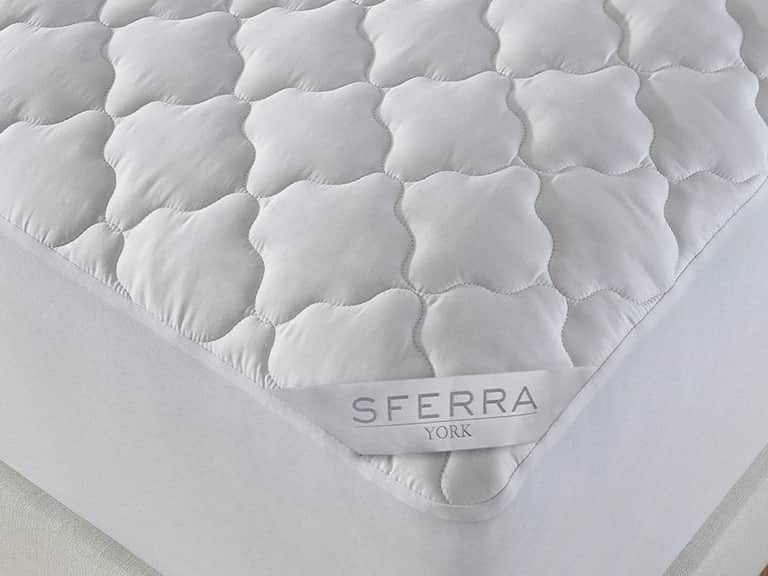
Include the bed’s supporting layers and surrounding bedding in your assessment. A mattress pad or topper may alter the surface feel, temperature and pressure distribution. A very thick or highly cushioned layer can change how the mattress feels compared with the showroom test. If you plan to use one, test with a similar layer where possible and check that it does not conflict with care or warranty guidance.
Keep price in context. The purchase price is only one part of the decision; delivery, base compatibility, removal fees and future care may also matter. At the same time, a higher price alone does not establish that a mattress will suit your body better or last longer. Look for a transparent explanation of what you are paying for, and weigh it against features you will genuinely use.
Finally, keep the choice proportional. A mattress can contribute to a comfortable sleep environment, but sleep is also shaped by schedule, light, temperature, noise, health and stress. A carefully chosen bed is one useful part of that larger picture—not a guarantee of perfect sleep.
A considered choice, not a name alone
The Vispring Devonshire is best evaluated through its current, verified details and your own experience of its comfort. Pocket springs offer a particular approach to support, but the finished mattress is a collaboration between spring unit, upholstery, foundation and sleeper. Materials and craftsmanship may matter deeply to a buyer, yet neither can answer the personal question of whether the bed feels right.
Begin with your priorities: preferred sleeping position, firmness sensation, temperature, movement sensitivity, shared-bed needs and any material requirements. Then confirm the Devonshire’s precise specification, test it thoughtfully if possible, and read the terms for delivery, trial, warranty and care. Compare it with alternatives using the same questions.
In the end, a good bed decision is less like choosing a name from a catalogue and more like reading a map. The model label marks a starting point; the terrain is made of details—layers, dimensions, support, logistics and personal comfort. Follow those details carefully, and you can make a choice grounded not in reputation alone, but in the conditions of your own nights.